Trade shows are expensive.
There’s the booth. The travel. The shipping. The sponsorship. The team. The promotional swag you ordered 400 of because someone said, “People love branded stuff.”
And after all that investment, one thing matters more than almost anything else:
Did you capture the right leads?
Yet somehow, many exhibitors are still expected to collect business cards, scribble notes on them, toss everything into a bag, and figure it all out later.
Later.
The natural enemy of follow-up.
Business cards may have survived decades of networking, but your sales process shouldn't have to.
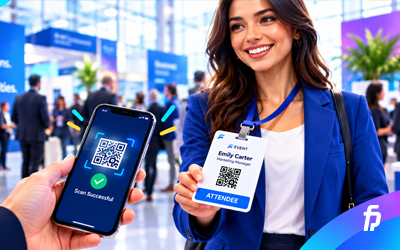
With lead retrieval, exhibitors can scan an attendee's badge and instantly turn a booth conversation into structured digital lead data.
No paper pile.
No mystery handwriting.
No post-show archaeology.
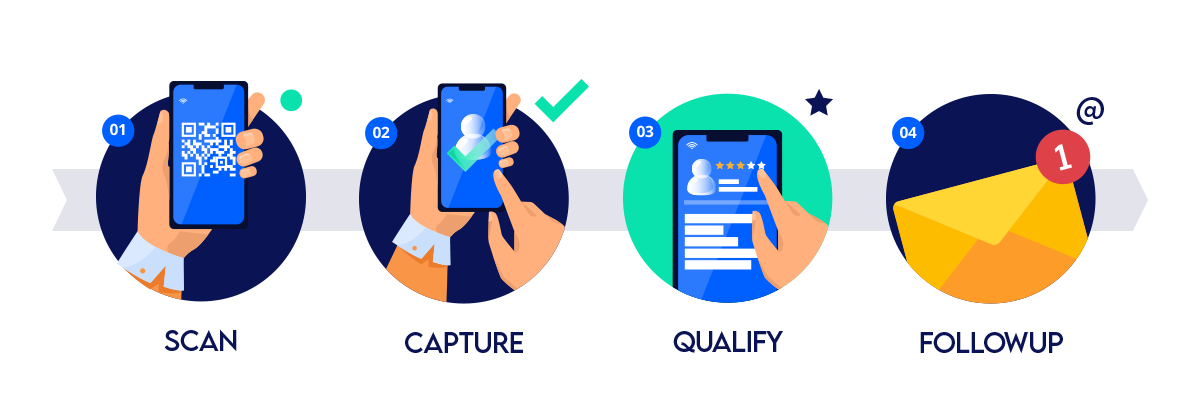
Just scan, qualify, and follow up.
Business Cards vs. Lead Retrieval: Let's Settle This!
Business cards aren't bad.
They're just being asked to do a job they were never designed for.
A business card tells you what someone chose to print on a small rectangle of paper.
Lead retrieval can turn that same interaction into a much richer digital record—complete with attendee information, notes, qualification details and follow-up actions.
Think of it this way:
Business card:
“Here is my email.”
Lead retrieval:
“Here is who I am, what I'm interested in, what we discussed, how hot this opportunity is, and what you should do next.”
That's a pretty significant upgrade.
The Business Card Problem: Paper Doesn't Follow Up
Picture the end of a busy trade show.
Your sales team has collected 150 business cards.
Sounds great.
Until Monday morning.
Now someone has to:
Find the cards.
Figure out whose card belongs to which conversation.
Decode handwritten notes.
Manually enter contact information.
Import everything into the CRM.
Remember which leads were actually interested.
Figure out who needs a demo.
Try to remember what was discussed three days ago.
And somewhere in that process, there's always one card that mysteriously disappears.
Maybe it's under the laptop.
Maybe it's in someone's jacket.
Maybe it has entered the same dimension as missing socks.
“Then Comes Lead Retrieval”
Now imagine doing the same thing differently.
An attendee walks into your booth.
You have a conversation.
They're interested.
You scan their badge.
Done.
The interaction becomes a digital lead record that can include attendee information, notes, lead ratings, product interests, follow-up actions and custom survey responses.
Your booth team can work from the same organized digital data instead of passing around stacks of cards.
That's the difference.
You're not just collecting contact information.
You're capturing the context behind the contact.
A Business Card Knows Your Name. Lead Retrieval Knows More.
Here's where things get interesting.
A business card only tells you what's printed on it.
Lead retrieval can leverage attendee information already collected during registration, including organizer-approved fields such as name, company, job title, email, phone number, location, industry, organization type, product interest and registration category.
A business card gives you the contact. Lead retrieval can give you the context, helping exhibitors understand what the person behind the badge actually needs.
A business card tells you who they are. Lead retrieval helps you understand why they're at your booth and what happens next.
That's where a lead starts becoming an opportunity.
Don't Just Collect Leads. Qualify Them.
A pile of 300 contacts sounds impressive.
A pile of 300 contacts you can't prioritize?
Not so much.
One of the biggest advantages of lead retrieval is the ability to qualify prospects while the conversation is still fresh.
Your team can capture things like:
- Buying interest
- Budget
- Purchase timeline
- Products discussed
- Demo requests
- Competitive products being considered
- Follow-up priority
Custom survey responses
So instead of returning from the show with:
“300 leads!”
You can return with:
“37 hot leads, 82 nurture opportunities, 14 demo requests—and here's exactly what we discussed.”
Now that's useful.
The Show Ends. The Race Begins.
Here's a trade show truth:
The event doesn't end when the exhibit hall closes.
That's when the follow-up race starts.
With business cards, sales teams may have to manually organize contacts before getting them into their CRM.
With digital lead retrieval, lead data can be exported into CRM and marketing automation platforms, helping teams move faster from conversation to follow-up.
And speed matters.
Because the prospect who was excited about your product at 3:00 PM on Thursday may not be nearly as excited about it three weeks later.
Better Follow-Up. Better ROI.
Let's be honest.
The goal of lead retrieval isn't to win a badge-scanning competition.
Nobody goes home saying:
“We scanned 1,847 badges! We are victorious!”
The real question is:
How many of those conversations became opportunities?
Lead retrieval can help exhibitors respond faster, personalize follow-up, prioritize prospects, track event performance and measure ROI.
Because the value of an event isn't the number of contacts you collect.
It's what happens to those contacts afterward.
Event Organizers: This Is Your Move, Too.
Lead retrieval isn't just an exhibitor tool.
For event organizers, it's part of the value proposition you're offering exhibitors.
A successful exhibitor is more likely to see value in the event—and that matters when it comes time to renew, expand booth space or recommend the event to others.
Offering lead retrieval can help organizers:
Increase exhibitor satisfaction
Give exhibitors tools that help them turn booth traffic into measurable opportunities.
Improve exhibitor retention
Make the event more valuable beyond the number of attendees walking through the doors.
Create additional revenue opportunities
Turn technology into another valuable exhibitor service.
Differentiate the event
Show exhibitors that the event isn't stuck in the paper-and-spreadsheet era.
Create a better experience
For exhibitors, attendees and event teams.
Modern Events Shouldn't Run on Yesterday's Tools
Today's attendees expect digital experiences.
Today's exhibitors expect useful data.
And today's event organizers have an opportunity to connect the two.
Lead retrieval, mobile badge scanning and digital trade show lead capture help replace manual processes with a faster, more connected workflow.
Because there's a difference between having technology at an event and using technology to make the event better.
That's where lead retrieval earns its place.
The Bottom Line: Retire the Lead Pile
Business cards aren't going extinct.
They can still be useful.
But should a tiny piece of paper be the backbone of your trade show lead strategy?
Probably not.
A professional lead retrieval solution gives exhibitors the ability to capture richer attendee information, scan badges instantly, qualify leads in real time, integrate with CRM systems, follow up faster and better understand event performance.
Don't just collect contacts. Capture opportunities.
For exhibitors, that means better leads and faster follow-up.
For organizers, it means greater exhibitor value and a stronger event experience.
And ultimately:
When exhibitors succeed, your event succeeds.
Ready to leave the business-card pile behind?
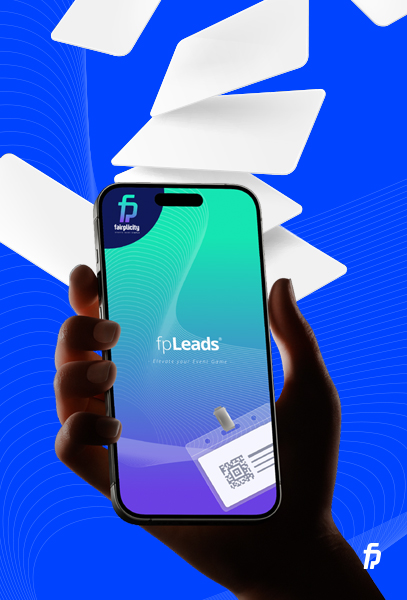
Discover how Fairplicity's fpLeads Lead Retrieval System helps exhibitors capture better leads, qualify opportunities and turn event conversations into actionable sales data.
FAQs
What is lead retrieval?
Lead retrieval is an event technology solution that allows exhibitors to scan attendee badges and instantly capture attendee information, qualify leads, and export data directly into their CRM for fast follow-up.
Why is lead retrieval better than collecting business cards?
Lead retrieval provides richer attendee information, eliminates manual data entry, enables real-time lead qualification, and supports immediate CRM integration, resulting in faster follow-up and higher trade show ROI.
Why should event organizers offer lead retrieval?
Offering lead retrieval increases exhibitor satisfaction, improves exhibitor retention, creates additional revenue opportunities, and positions the event as a modern, technology-driven conference or trade show.
Does lead retrieval improve trade show ROI?
Yes. Faster follow-up, better lead qualification, and structured digital data help exhibitors convert more prospects into customers, improving the return on their event investment.